The kitchen has long been considered the heart of the home. As technology becomes a bigger part of everyday life, this important space can also benefit from smarter ways of managing lighting, comfort, and connected devices. Updating a kitchen does not always mean taking on a complete renovation. With the right planning, a refreshed space can also become part of a more connected home.
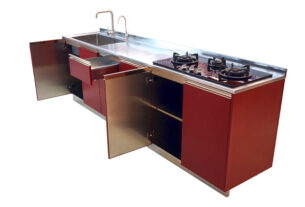
Kitchen refacing is one way to give an existing space a new look while keeping much of its existing structure. It can also be a good opportunity to consider how smart home automation could improve everyday routines. From convenient lighting control to managing fans, air conditioning, and smart plugs, connected technology can make a home easier to manage.
A kitchen refacing project can also be a chance to consider smart upgrades for the wider home. With smart home solutions designed for existing properties, homeowners can introduce features. This makes it possible to combine the visual improvements of a refaced kitchen with practical technology that supports everyday living.
Understanding the Value of Smart Automation in a Refaced Kitchen
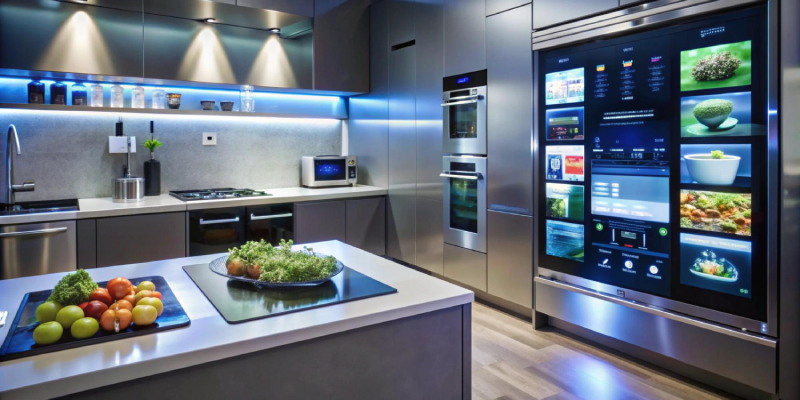
A smart kitchen does not need to be filled with complicated gadgets. Instead, the idea is to use connected technology where it provides genuine value. When compatible devices are brought into a unified smart home setup, homeowners can manage different functions more conveniently.
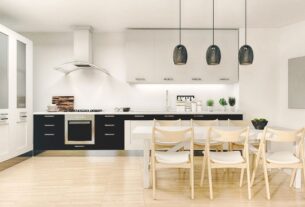
Smart lighting is a practical place to start when updating a kitchen. Lights can be controlled through an app, making it easier to manage the space without relying solely on traditional switches. In an open-plan kitchen, lighting automation can also become part of the wider home’s connected setup.
Comfort can also be managed more conveniently. Smart fans and air conditioning can be connected to the wider home automation system — making it easier to control the environment from a centralised interface. This can be especially useful when the kitchen forms part of an open-plan living area where maintaining a comfortable environment is important.
Voice control adds another convenient option. Compatible smart home devices can be managed using voice assistants — allowing homeowners to control supported features without reaching for a phone or switch.
Smart home automation can also contribute to a more connected approach to security. Depending on the setup, smart locks, sensors, and other security-related features can be managed alongside other connected devices. Remote access can also make it easier to stay connected to the home when away.
The aim is not to automate every part of the kitchen. It is about choosing useful features that make everyday activities simpler while allowing the kitchen to become part of a connected home. Click here to learn more
Why a Kitchen Update Can Be a Good Time for Smart Automation
A kitchen refacing project gives homeowners an opportunity to reconsider how the space is used. While the main goal may be to refresh cabinets and improve the appearance of the kitchen, it can also be a suitable time to think about adding convenient smart features.
Smart lighting, for example, can complement an updated kitchen by providing easier control over the space. Smart plugs can also be used with compatible devices — helping homeowners bring selected appliances and equipment into their smart home setup.
The same approach can extend to other parts of the home. However, homeowners do not necessarily need to wait for a renovation to introduce smart automation. Smart home solutions for existing properties can be added without major renovation or rewiring. This makes it possible to bring smart features into a home even when the kitchen itself has already been updated.
Planning the smart features alongside a kitchen update can also help homeowners think about which functions will be most useful. Rather than adding technology simply because it is available, the focus can remain on features that make daily routines more convenient.
The goal is not to turn the kitchen into a separate technology system, but to make it a natural part of the home’s wider automation setup.
Smart Features That Complement a Refaced Kitchen
Once the appearance of a kitchen has been refreshed, the next step is to consider how technology can improve the way the space is used. The most useful smart features are those that add convenience without making the kitchen feel overly complicated.
Smart lighting is one of the simplest ways to introduce automation. Lights can be managed through a centralised app, while compatible voice assistants can provide another way to control supported lighting features. This can make everyday routines more convenient — particularly in an open-plan kitchen and living area.
Smart fans and air conditioning can also be part of the connected setup. Instead of managing each device separately, homeowners can control compatible devices through the smart home system. This makes it easier to adjust the environment according to daily needs.
Smart plugs provide another option for adding connected control to selected devices. They can be useful when homeowners want to introduce smart functionality without replacing every existing appliance.
Security features can also be connected to the wider home automation experience. Smart locks and sensors can provide additional control and awareness, while remote access allows homeowners to manage compatible devices when they are away from home.
These features can be particularly useful for busy households. Instead of dealing with multiple controls for different parts of the home, a unified smart home system can bring compatible functions together in a more convenient way.
The result is a kitchen that benefits from its refreshed appearance while also becoming part of a more connected and manageable home.
Read More : Smart Ways to Lower Your Modular Kitchen Expenses
Adding Smart Automation Without Major Renovation
A kitchen refacing project does not always need to be followed by another major renovation to introduce smart technology. For homeowners with an existing property, retrofit-friendly smart home solutions can provide a practical way to add connected features without extensive rewiring.
This can be particularly useful when homeowners want to improve lighting, add smart plugs, control fans or air conditioning — or introduce connected security features without undertaking major structural changes.
A reliable Wi-Fi connection is also important for connected smart home devices. Before introducing multiple smart features, homeowners should consider whether their existing home network can support their connected devices effectively.
Smart automation can also be introduced gradually. A homeowner may begin with lighting and smart plugs and later add compatible fans, air conditioning, sensors, smart locks, or other features. This allows the smart home to develop according to changing needs rather than requiring everything to be installed at once.
Solutions for existing and new homes also give homeowners flexibility when considering automation. This means smart technology can be introduced at different stages, whether someone is refreshing a kitchen, updating an existing property — or planning a new home.
The advantage of this approach is that the kitchen does not have to function as an isolated smart space. Compatible features can become part of the wider home automation system, allowing homeowners to manage different aspects of their property through a more unified setup.
The goal is to create a connected environment that remains practical and easy to manage. When smart technology is selected based on genuine needs, it can complement the design of a refaced kitchen without overwhelming the space.
A Refaced Kitchen Can Be Part of a Smarter Home
A kitchen refacing project can be an opportunity to think beyond appearance and consider how the space fits into the wider home. By introducing suitable smart automation, homeowners can improve convenience while creating a more connected living environment.
Features such as smart lighting, fans, air conditioning, smart plugs, sensors, smart locks, and other compatible devices can be managed as part of a unified smart home setup. Remote access and voice control can add further convenience, while centralised management through an app makes everyday control simpler.
Homeowners do not necessarily need to undertake a major renovation to enjoy these benefits. Smart solutions for existing homes make it possible to introduce smart functionality without major renovation or rewiring.
Whether you are updating your kitchen or looking for a smarter way to manage your existing home, H-smart Living (https://www.hsmartliving.com/) can help you explore suitable home automation options in Chennai.